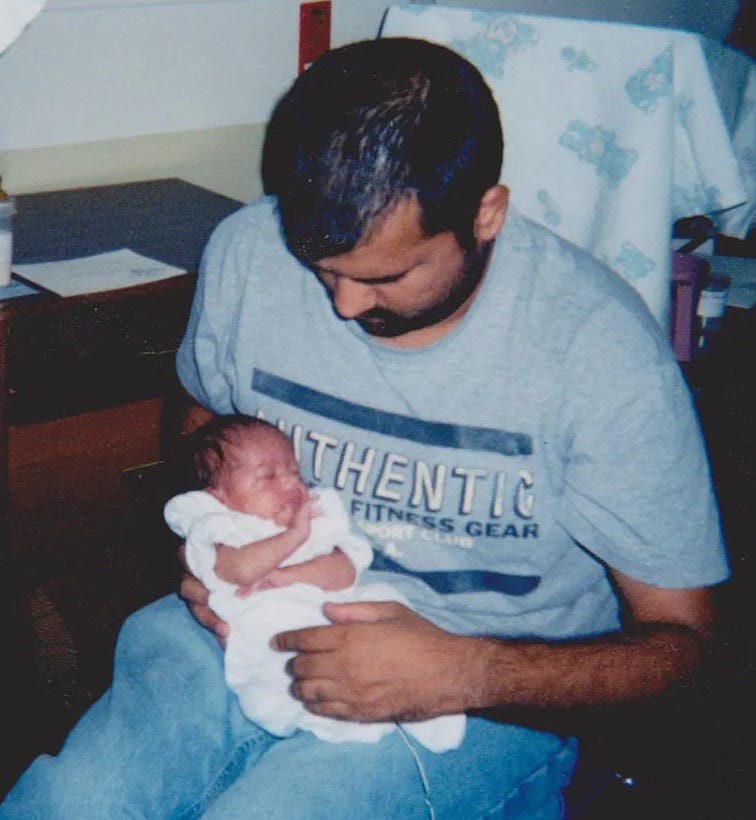
I was born with Pyruvate Kinase Deficiency (PKD), a rare genetic disease which alters the life-span of my red blood cells and is a byproduct of hemolytic anemia. As a child, I experienced routine visits to the hospital on a monthly basis. I received transfusions, while restrained to a bed by wires that protruded from my emaciated body. I lacked in physical activities and had limitations placed on my health. My body was frail, and a small amount of pressure could easily debilitate it. I always wondered, why me?
It wasn't until my sophomore year of high school when I found a distraction from the chaos of life. I decided to remove P.E. from my schedule, since no one benefits from having to watch me complete an 18-minute mile. My athleticism was incompatible with my competitive attitude, and my self-esteem was low. I didn't understand how to cope with my weak physical abilities and envisioned myself as inferior.
Instead of P.E., I took "Introduction to Computer Science," where I quickly became frustrated when I was unable to implement the same functions and identify the same patterns that my classmates could. I had the strong assumption that Computer Science was a subject I couldn't master. However, my initial anger transformed into curiosity, as I refused to surrender when it came to intellectual challenges. Over the summer, I studied the Python programming language through online documentation and videos. I discovered that programming allowed me to cope with the stress of my physical disabilities. Through code, I could create a figure that was immune to restrictions. Regardless of the anxiety-inducing setbacks that creating successful code involved, computer science became my new track - one in which I could run forever.
I am guided by the belief that science fiction can become reality. In my quest to solve abstract scientific problems, I have connected with people who share my passions and whose diverse perspectives have shaped my own. I had the honor as a guest co-host on the podcast Just Listen: Voices of PK Deficiency by Agios Pharmaceuticals, where I detailed patient support and my experience of living with PKD since childhood. Growing up, I didn't have access to FDA-approved drugs for my condition, and living with the disease has strengthened my desire to help patients who have struggled to find proper treatment. I want to delve into pharmaceutical R&D to improve how we develop drugs and address the bottlenecks that prevent timely access to life-saving therapies. I also aim to be the voice for students in the broader community who can benefit from our shared experiences and the idea that diversity and inclusivity in the scientific community are not only achievable but also essential for innovation and progress.